Black Lips
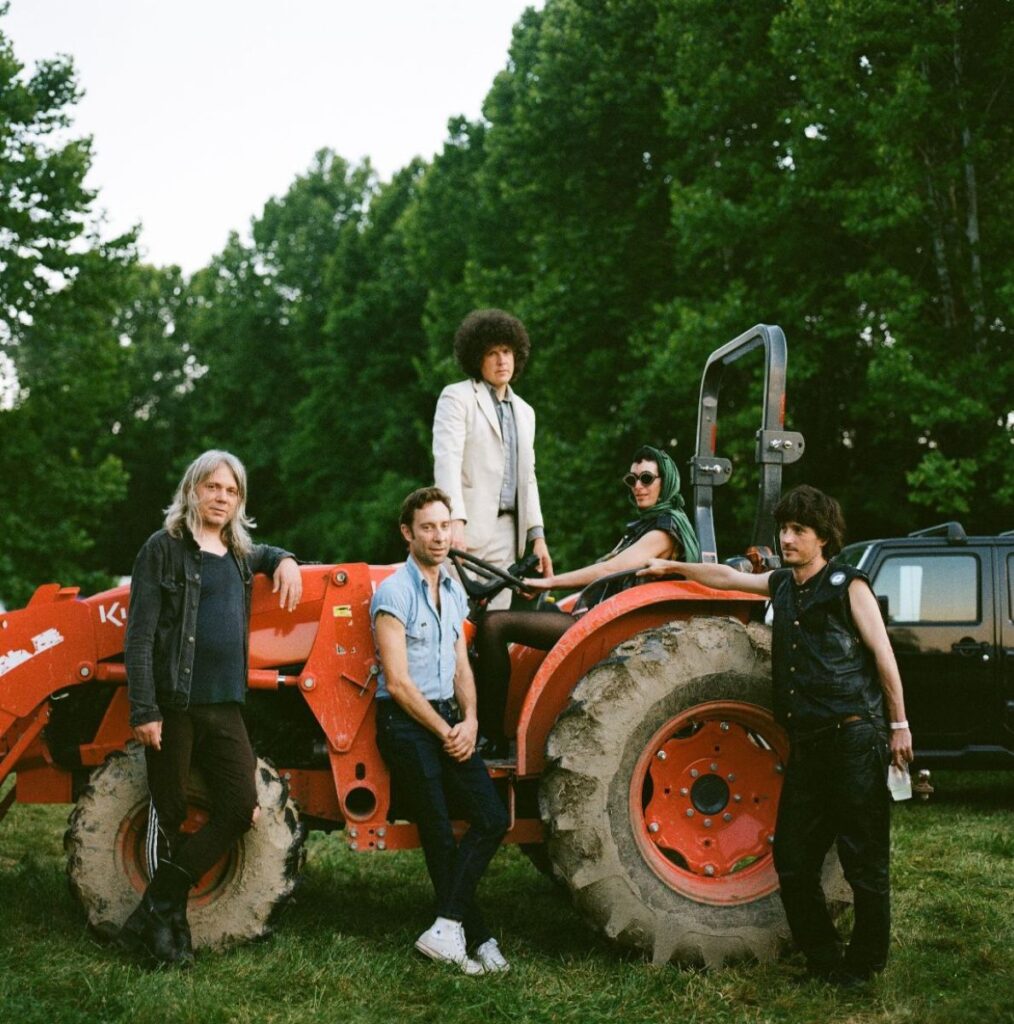
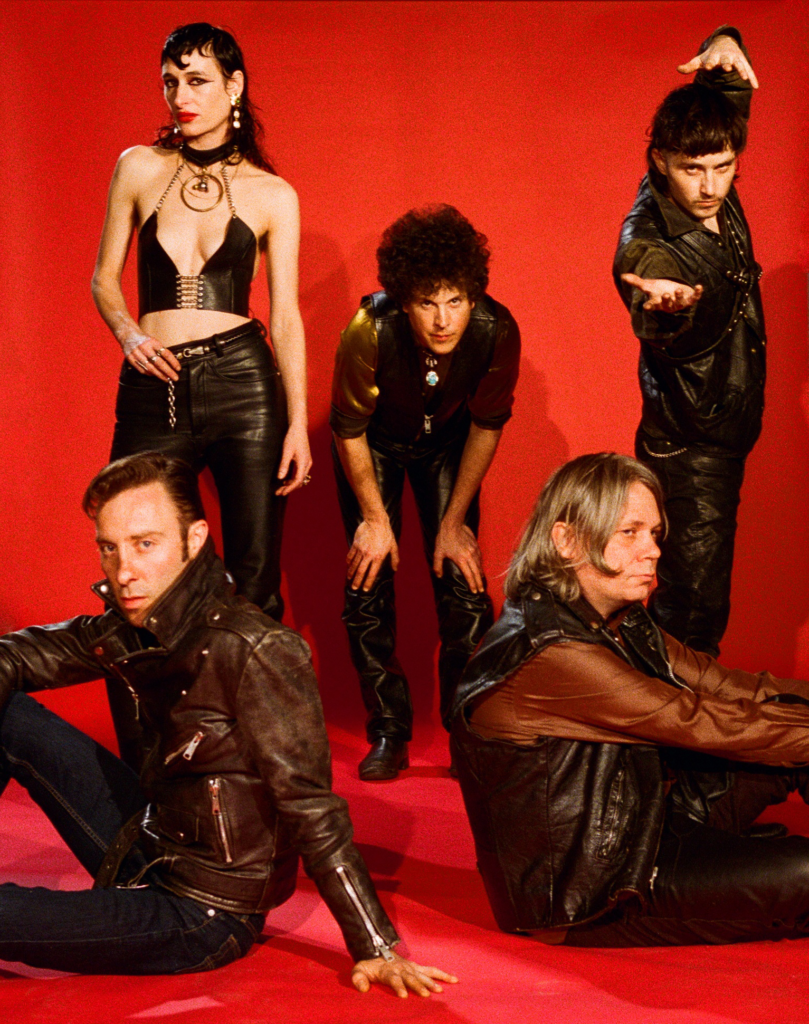
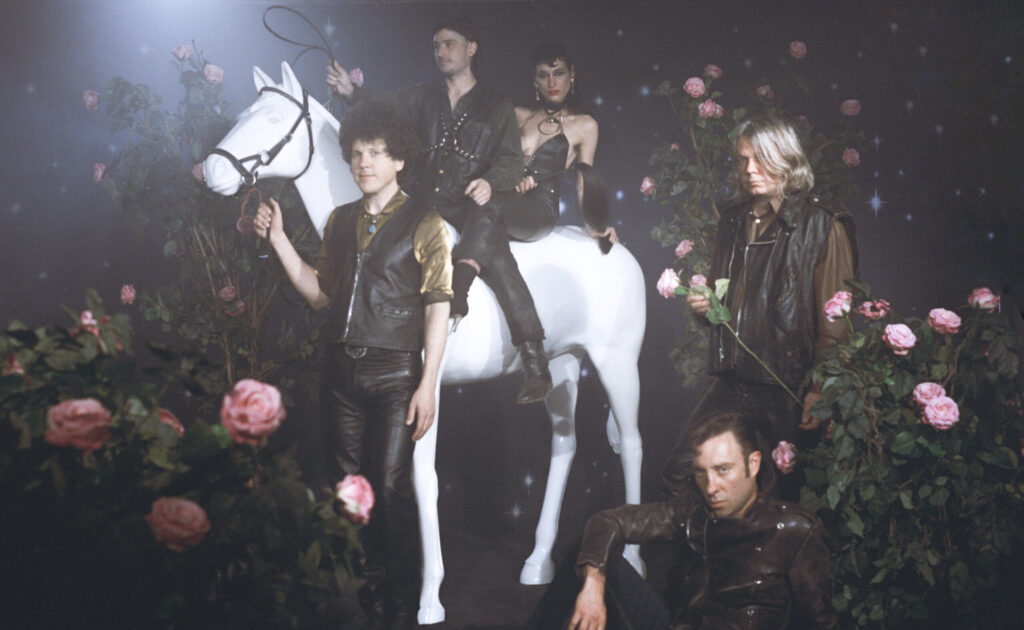
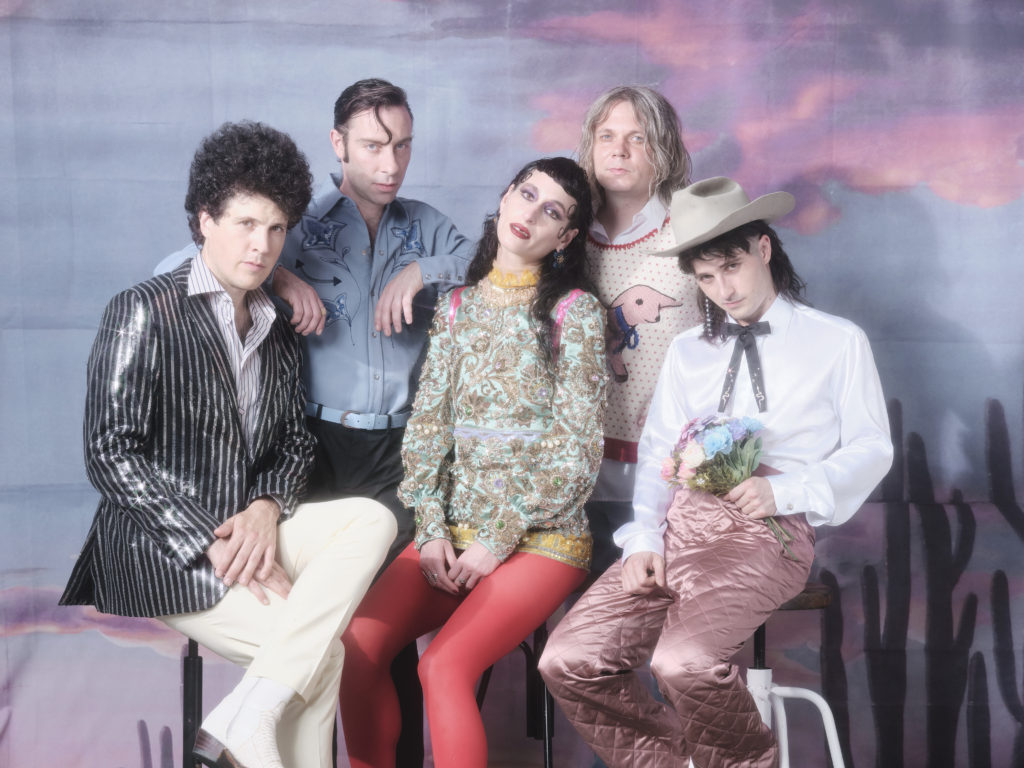
Garage punk saviors the Black Lips transform from austere country pioneers into a set of Lynchian surrealists, hellbent on recalibrating the history of 21st Century rock ‘n’ roll. Black Lips return with a brand-new studio album, Season Of The Peach
Photos
Photos


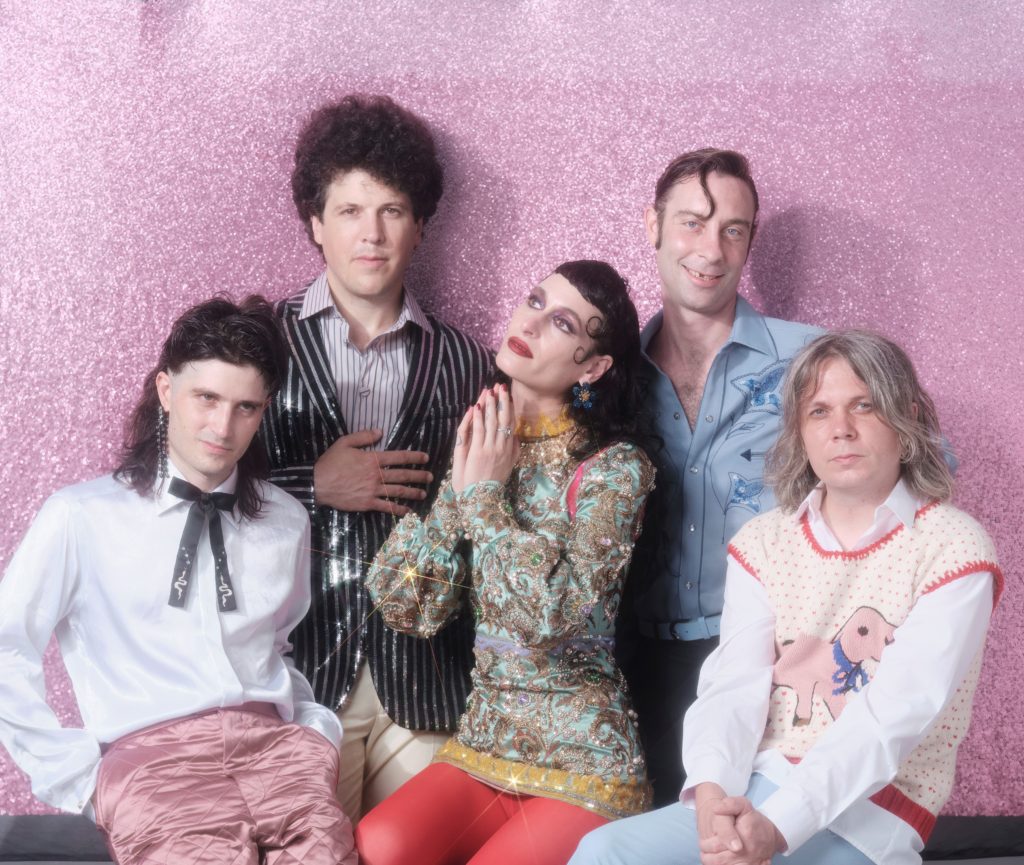
Biography
It’s been three years since Black Lips unfurled their caustic monster Apocalypse Love – a tour de force unearthing Soviet synths, Benzedrine stupors, coup d’états, stolen valour, and the certified destruction of all things ordinary – a Lynchian dance record that set unhinged bangers against a backdrop of a black setting sun.
Forming in 1999, their self-titled debut album was released in 2003, following which their fan base grew with the release of 2004’s We Did Not Know The Spirit Made The Flowers Grow. The band’s 2007 effort, Good Bad Not Evil, propelled them onto TV screens on both sides of the Atlantic. Line ups shuffled, stages were invaded, songs were mooted for TV shows and Mark Ronson, Sean Lennon and Black Keys’ Patrick Carney all put in a shift in the producer’s chair as touring momentum increased. In 2013 they added secret weapon Zumi Rosow who was later joined by Oakley Munson on drums and guitarist Jeff Clarke.
The Black Lips’ rapid stylistic evolution has played out over decades of prolific touring and releases, taking them where no garage punk band had gone before – huge venues, network television shows, and major music festivals. Making their living the way they knew how, burning up the road like their heroes – gaining and losing members up and down the highway.
Season Of The Peach is a 40-minute rock and roll odyssey, tripping through DIY genres where garage rock meets new wave pop, and disgruntled country shakes hands with epic western soundtracks. The 14-track album captures the energy and spirit of early Black Lips while simultaneouslyapplying new approaches to songwriting.
“Simply masters in their field” NME
For the recording sessions of Season Of The Peach, they holed up in the bucolic surroundings of drummer Oakley’s new Sound At Manor studio in the Catskills (the first album recorded there since Oakley built the studio in 2020). In this idyllic setting, the band disconnected from city life and committed their music to analogue tape, part of their quest to embrace spontaneity and capture the energy of a live Black Lips show on record.
They also looked towards the fringes of outsider music for inspiration. “The real outliers don’t say that they’re outliers,” says Oakley. “My favourite outliers in music are those people who are trying to be normal.” Jared adds, “I always had an affinity for people who were naive in thinking they could crack into the mainstream but weren’t aware of how off-kilter they were.” The music on Season Of The Peach embraces that very same tension – a mania simmering just beneath the surface of pop melodies, like in the timeless, fuzzy garage rock of “So Far Gone.” The album is a musical merry-go-round, a journey featuring road-weary tales from the underbelly of a lights-out America. It’s bookended by “The Illusion” parts one and two: a barroom quest for hope, fear, and hate, thwarted at each turn by a sense of resignation, “you reach for the sky / but it’s an illusion.”
Elsewhere, “Wild One” plays out like a Morricone romp through another day in Hell. A mantra for the hungover, a skin-crawling lament in praise of the wild at heart.
Single “Tippy Tongue” sees Black Lips take on 60s girl group soul, like The Shangri-Las and Ronettes infiltrated by Jayne/Wayne County, paying homage to Buddha Records. Meanwhile, “Kassandra” has a guitar sound scrubbed clean for a Sunday, chiming its way through ever-spiralling salvos like The Chocolate Watchband with Zappa on vocals. “Zulu Saints” is an upbeat country honk, a good-time brush with bravado. All in all, the band has a noble aim. “Our message has always been simple,” says Jared. “We’re just trying to rock and have a good time.” Oakley adds, “Hopefully there’s some room left for that in the world, as fucked up as it is.”
Releases
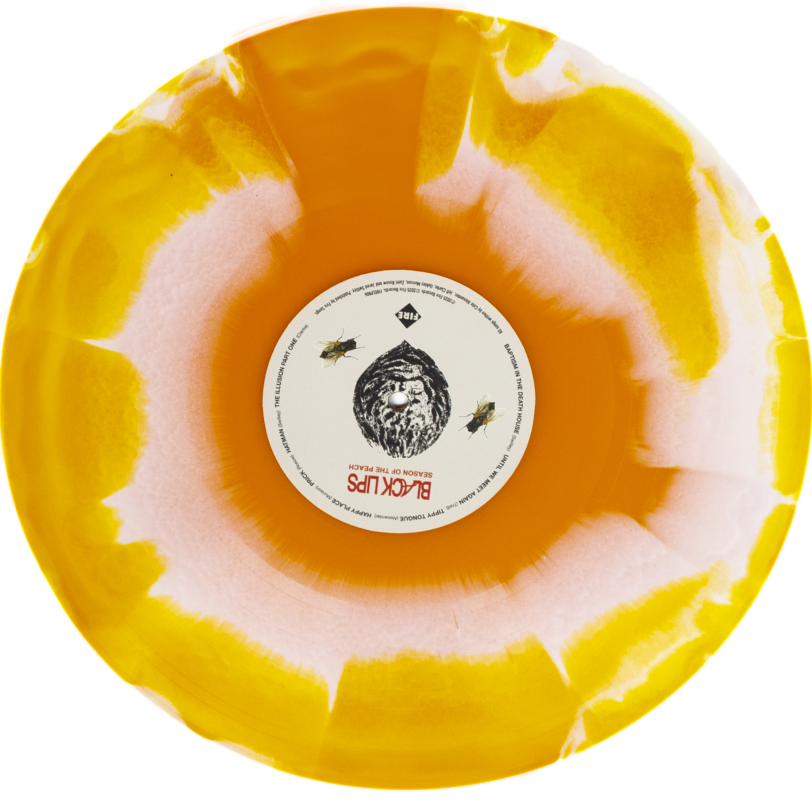
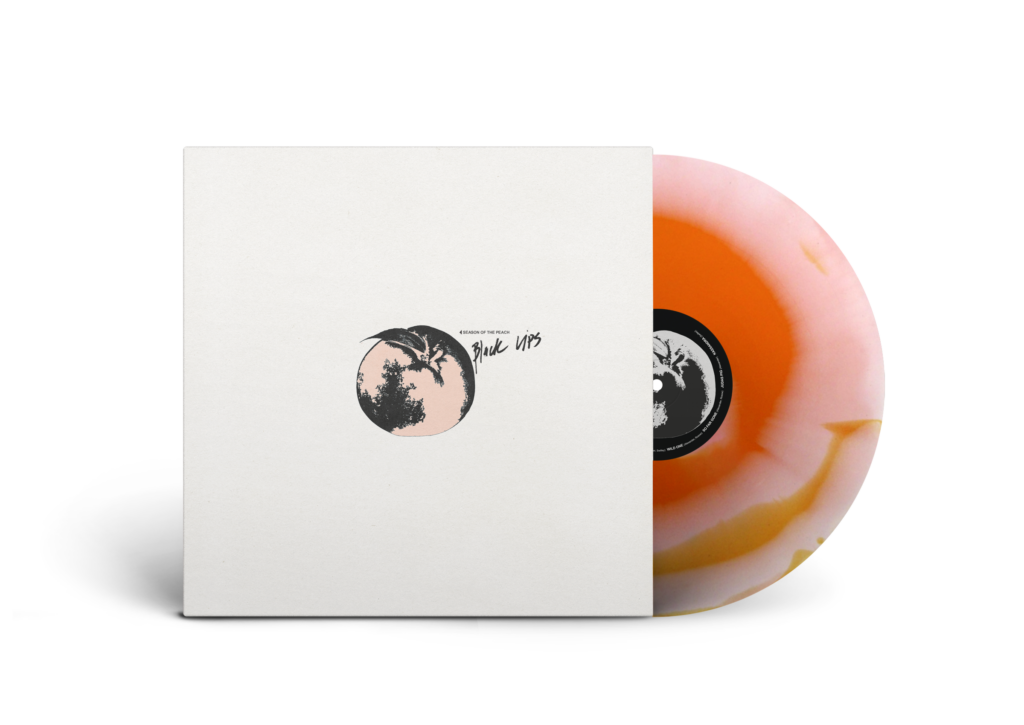
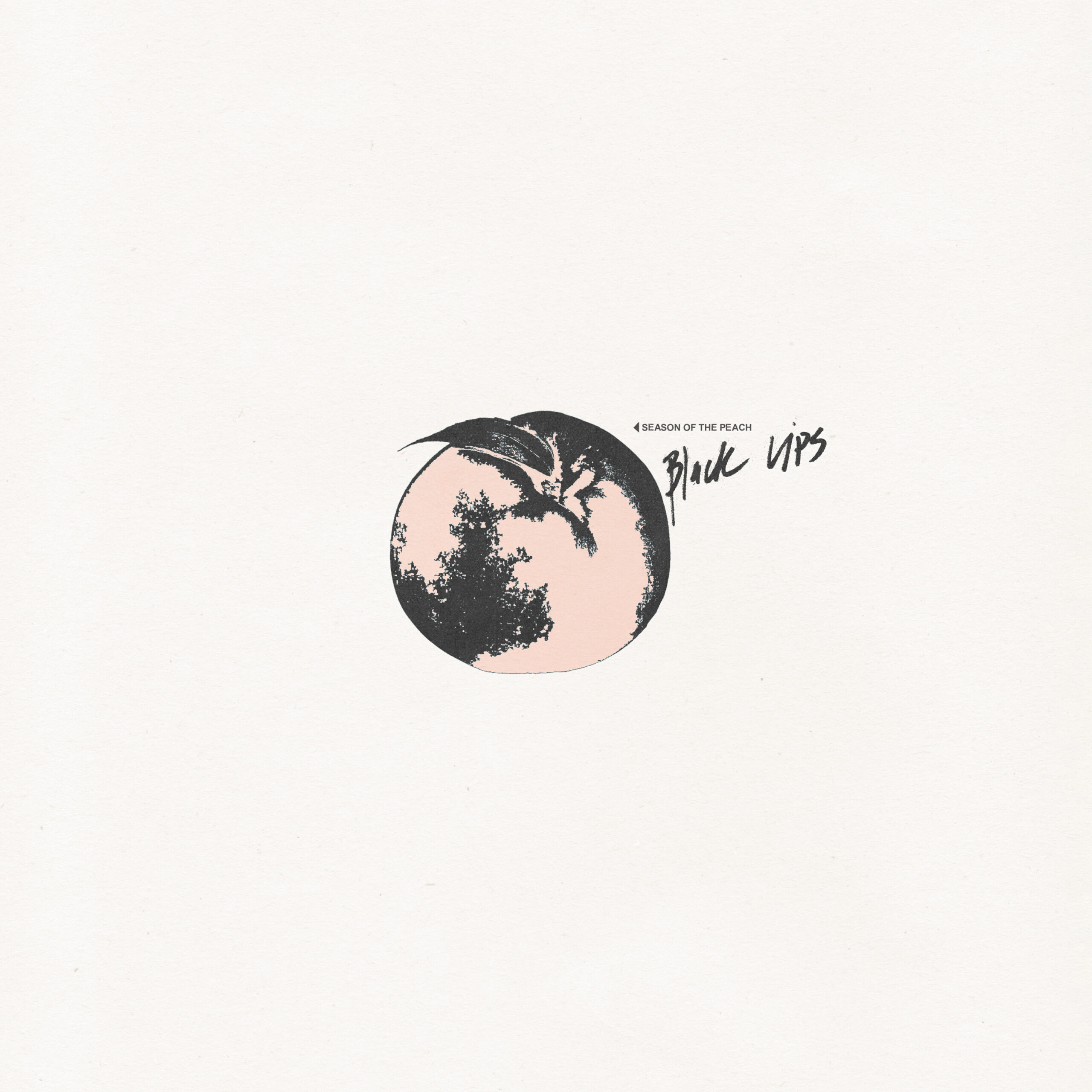
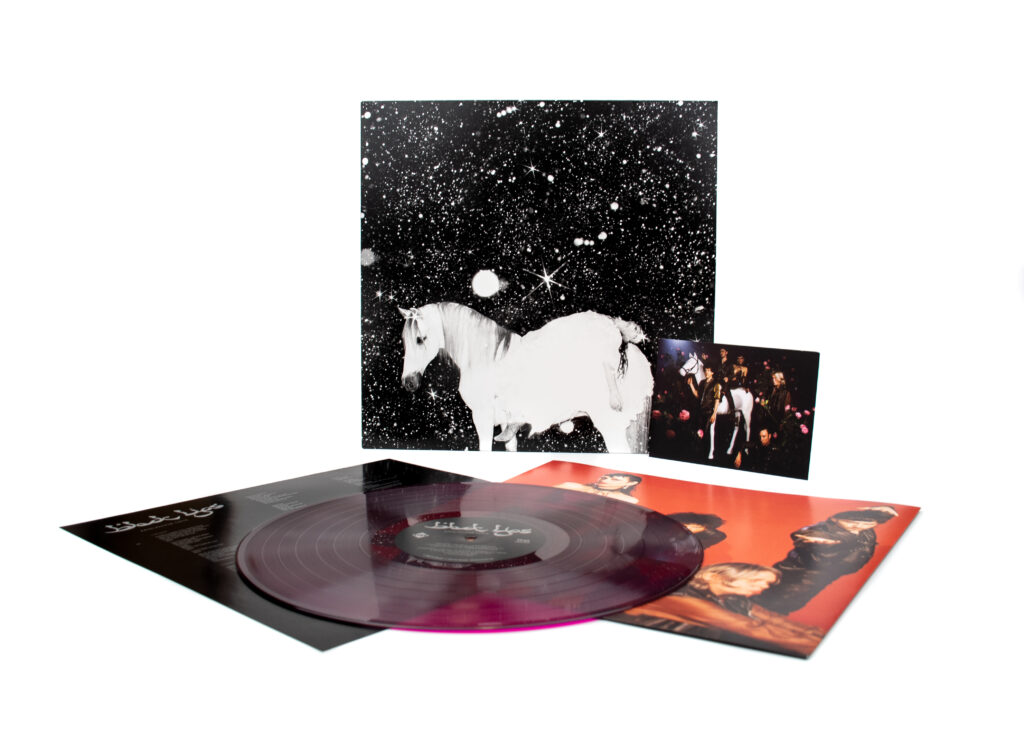
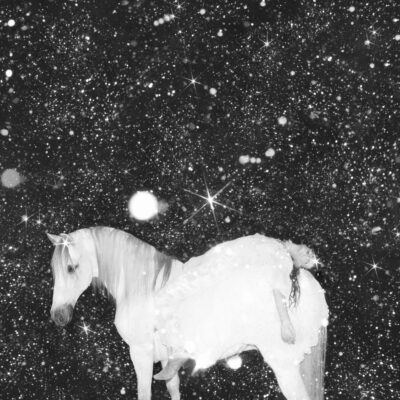
Black Lips – Season of the Peach
Select options This product has multiple variants. The options may be chosen on the product page Season of the Peach Black Lips Price range: £12.00 through £30.00 Album - 19th September 2025
Black Lips – Apocalypse Love
Select options This product has multiple variants. The options may be chosen on the product page Apocalypse Love Black Lips Price range: £12.00 through £24.00 Album - 14th October 2022

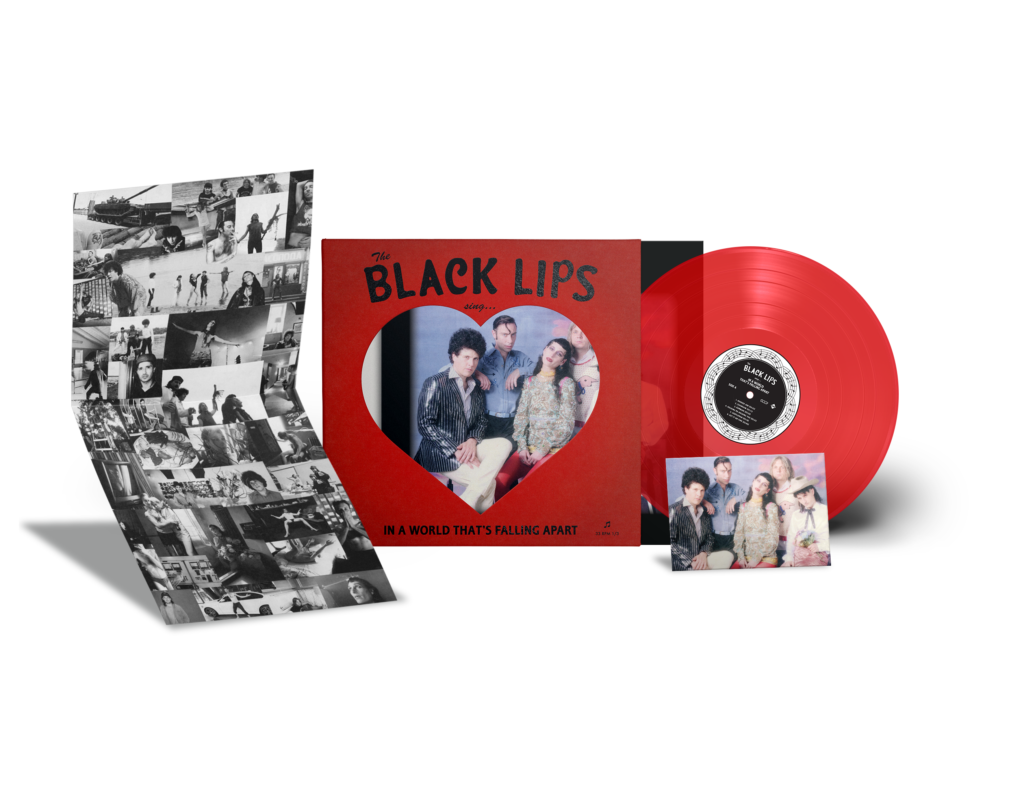
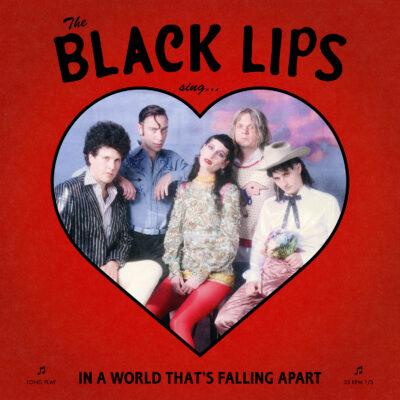
Black Lips – Sing In A World That’s Falling Apart
Select options This product has multiple variants. The options may be chosen on the product page Sing In A World That's Falling Apart Black Lips Price range: £12.00 through £22.00 Album - 24th January 2020

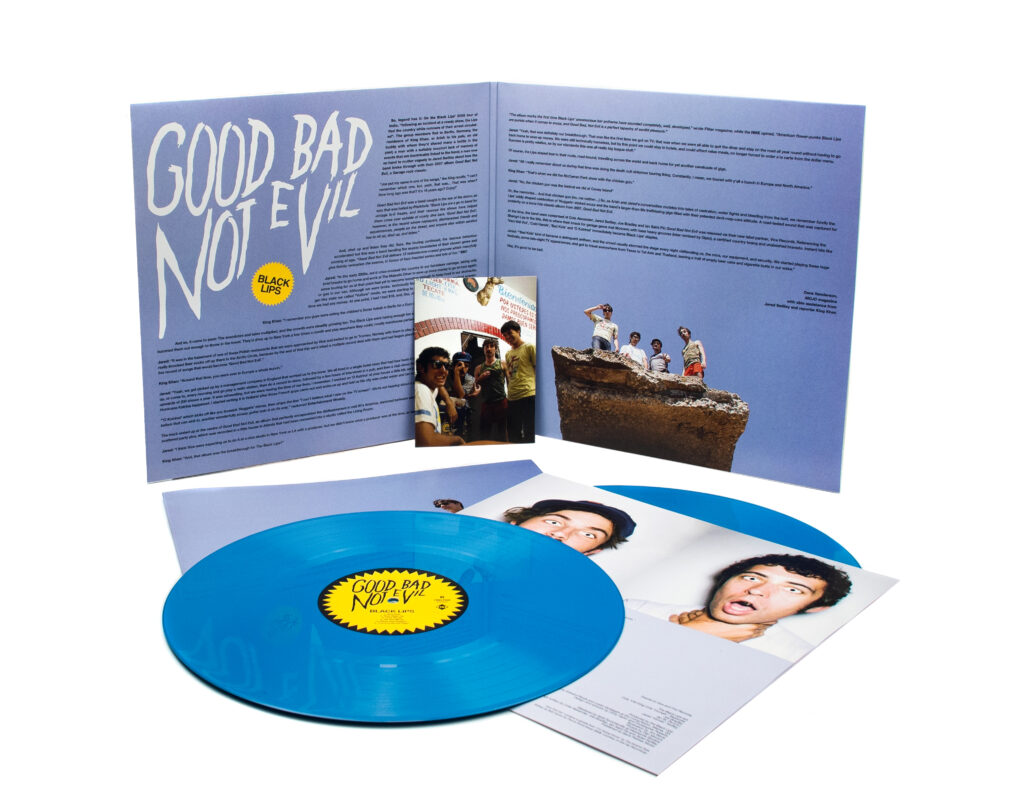
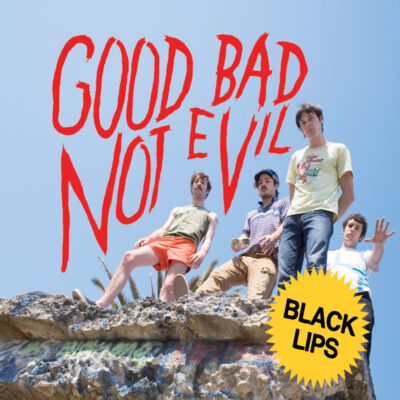
Black Lips – Good Bad Not Evil (Deluxe Edition)
Select options This product has multiple variants. The options may be chosen on the product page Good Bad Not Evil (Deluxe Edition) Black Lips Price range: £12.00 through £26.00 Album - 25th November 2022

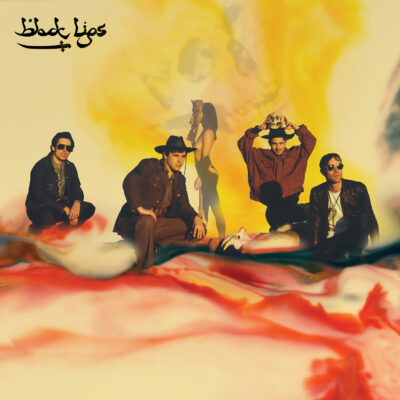
Black Lips – Arabia Mountain
Select options This product has multiple variants. The options may be chosen on the product page Arabia Mountain Black Lips Price range: £20.00 through £22.00 Album - 27th January 2023

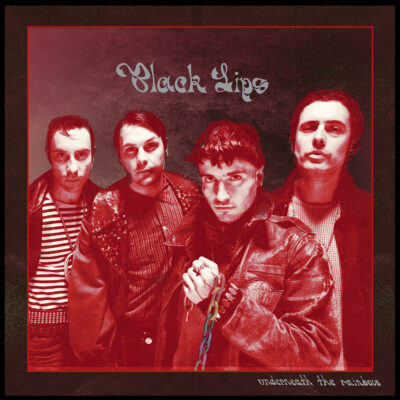
Black Lips – Underneath The Rainbow
Select options This product has multiple variants. The options may be chosen on the product page Underneath The Rainbow Black Lips £22.00 Album - 27th January 2023
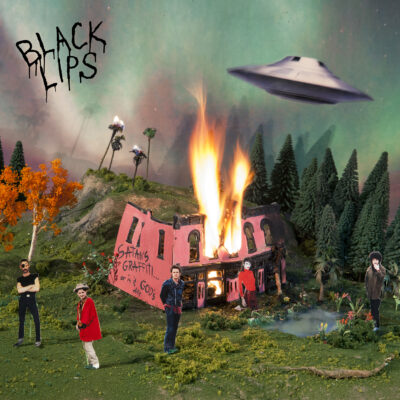
Black Lips – Satan’s Graffiti or God’s Art
Select options This product has multiple variants. The options may be chosen on the product page Satan’s Graffiti or God’s Art Black Lips £26.00 Album - 27th January 2023

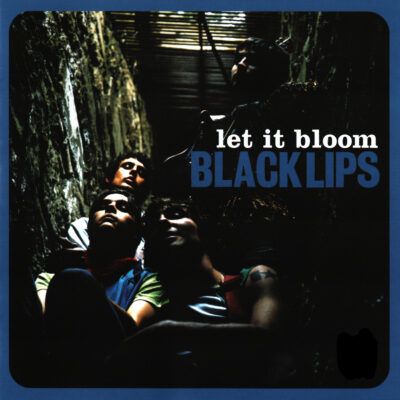
Black Lips – Let It Bloom
Select options This product has multiple variants. The options may be chosen on the product page Let It Bloom Black Lips Price range: £20.00 through £22.00 Album - 27th January 2023
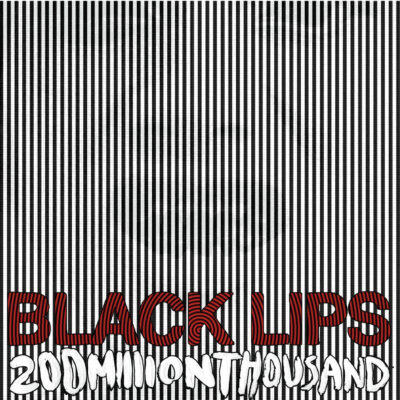
Black Lips – 200 Million Thousand
Select options This product has multiple variants. The options may be chosen on the product page 200 Million Thousand Black Lips £22.00 Album - 27th January 2023