Black Bananas
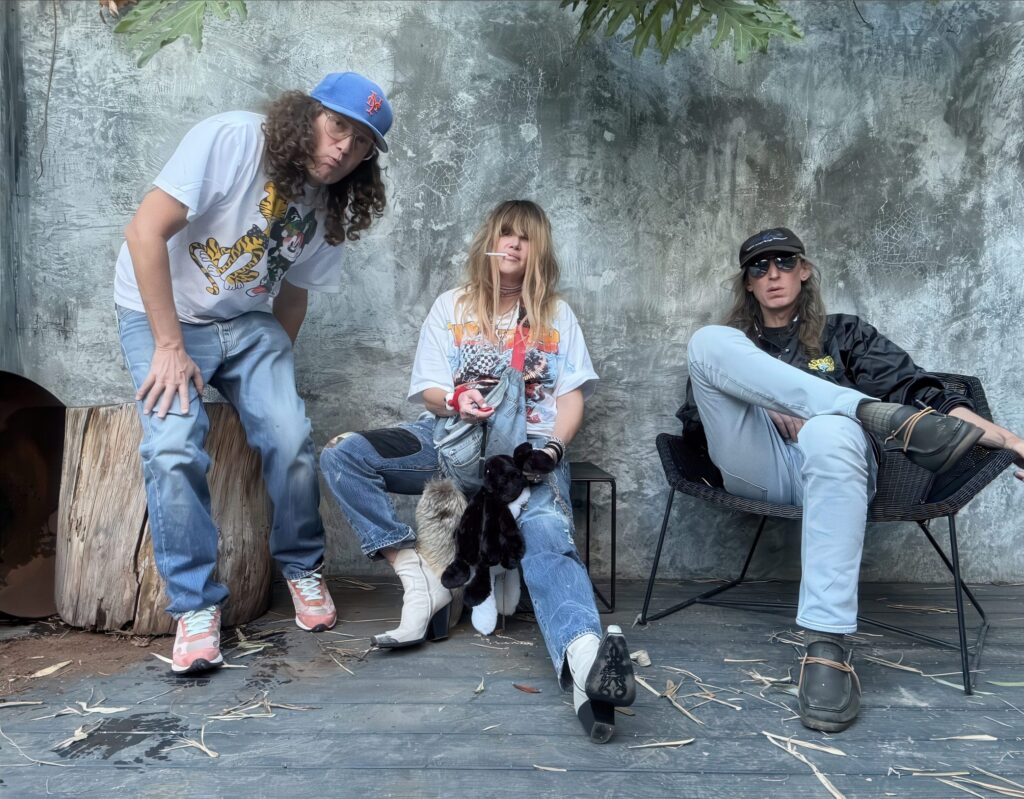
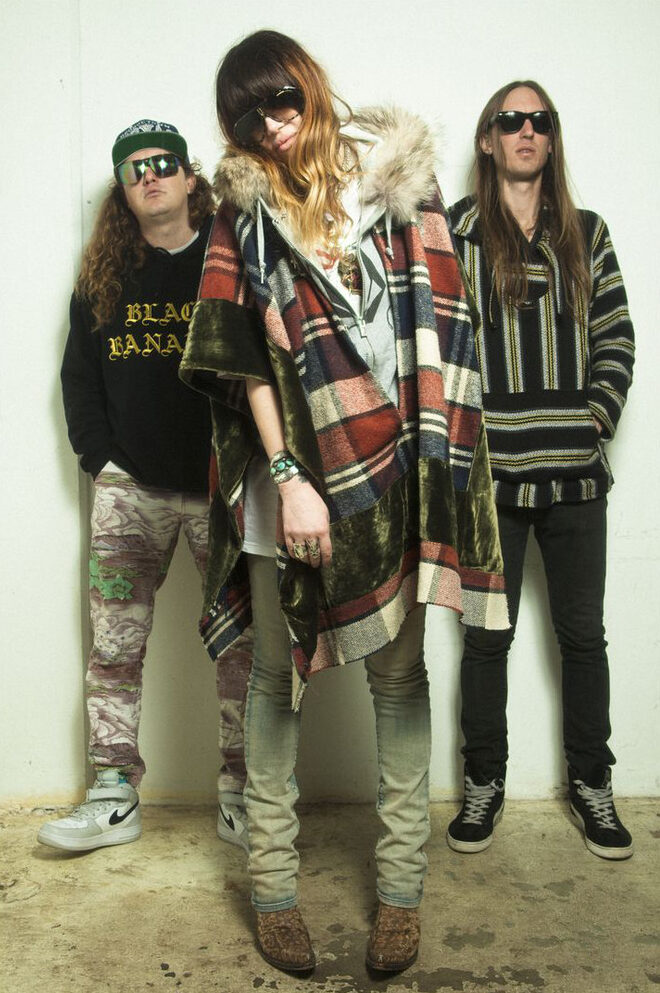
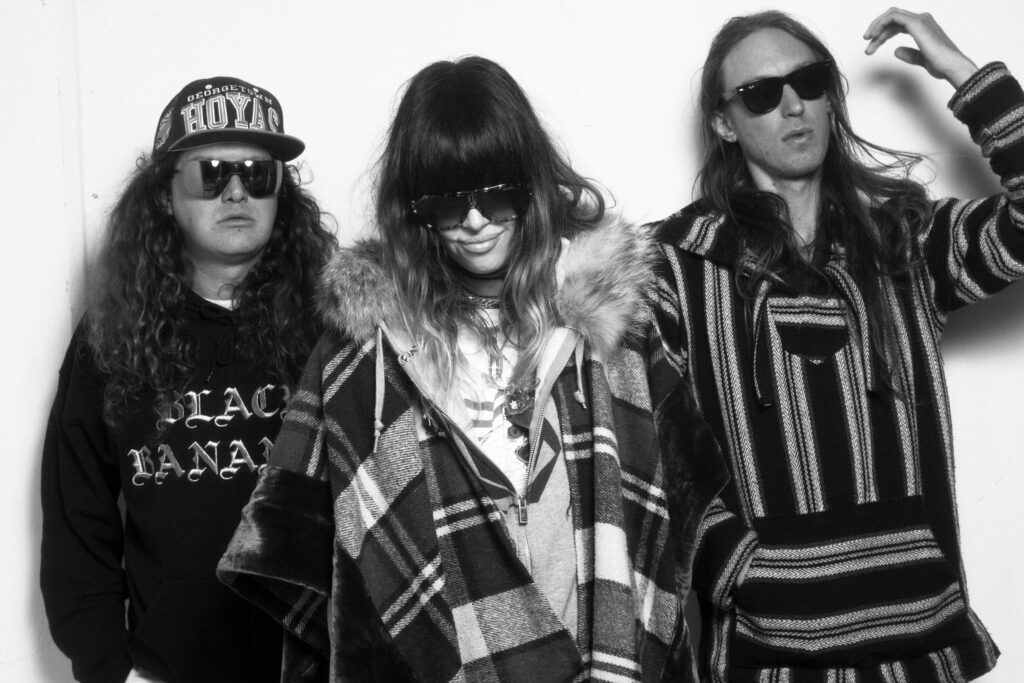
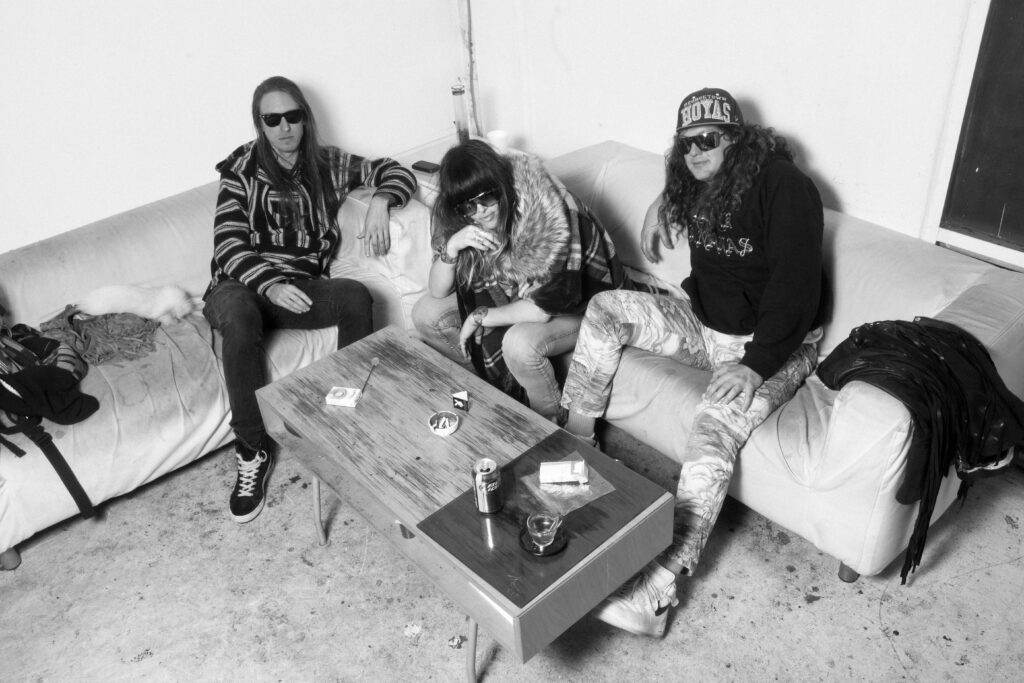
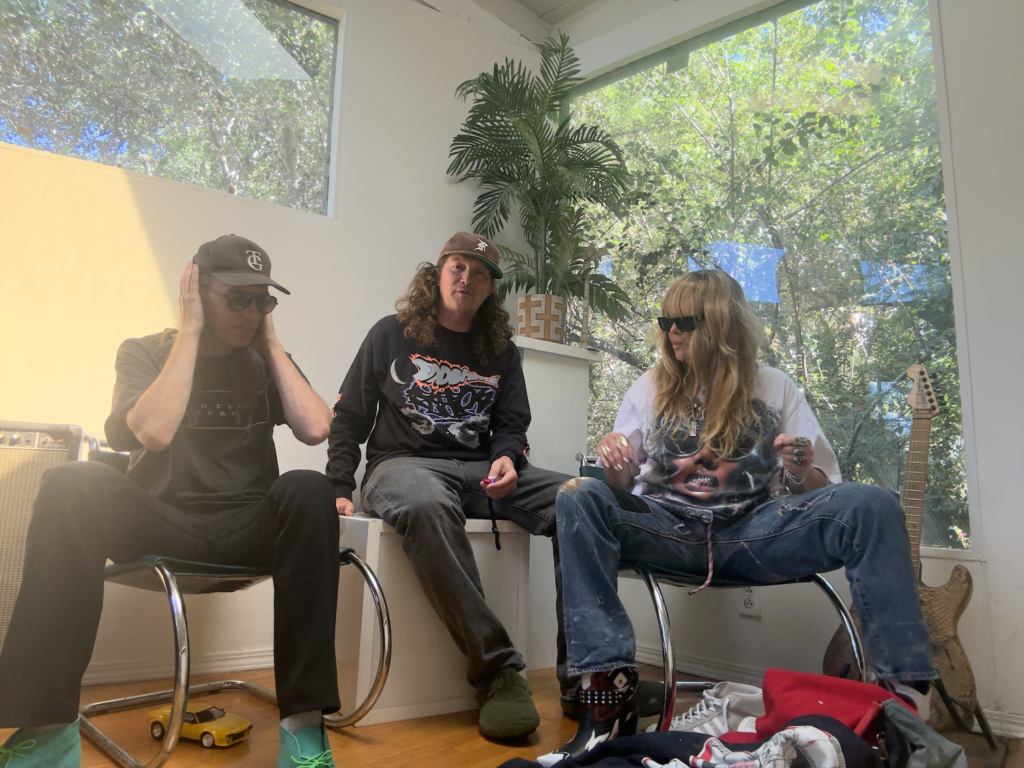
Black Bananas is the current phase of Jennifer Herrema’s long-running creative system, following Royal Trux and RTX, and continuing with longtime collaborators Kurt Midness and Brian McKinley.
Photos
Photos

Biography
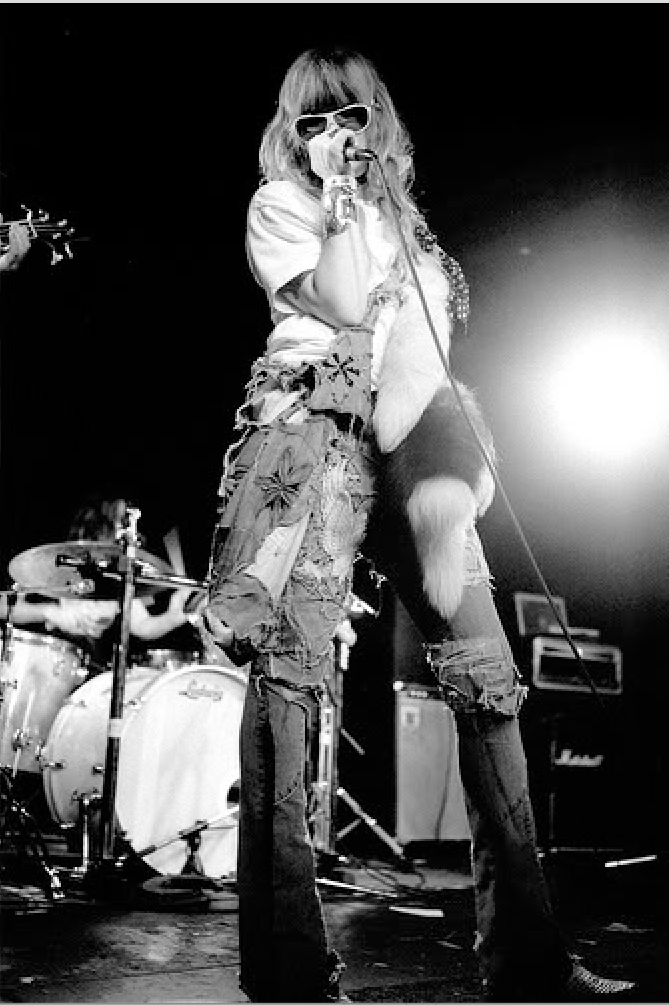
Jennifer Herrema, is the artist behind Royal Trux, RTX, and Black Bananas…projects that have reshaped the language of rock, noise, pop, and underground music since the late 1980s. Her work moves as a single evolving system rather than a sequence of disconnected bands: disruptive, recombinant, and resistant to easy containment.
Raised in Southeast Washington, D.C., Herrema came up within overlapping worlds of DIY hardcore, hip-hop, go-go, and heavy guitar music, absorbing sound and image through out her childhood before relocating to New York city as a teenager. Early Royal Trux recordings emerged as instinctive collage—fragments of American musical mythology assembled with cheap equipment, restless curiosity, and an indifference to expectation.
Royal Trux quickly became known for operating according to its own internal logic. That approach reached an extreme with Twin Infinitives (1990), a double album whose fractured structures and collapsing forms would later be recognized as one of the most radical statements to emerge from the American underground. In the mid-1990s, the project pivoted sharply, signing to Virgin Records and reframing classic rock as something simultaneously reverent and destabilized—familiar forms dismantled from within.
As Dazed wrote, “For over a decade her uniquely decadent, sleaze-drenched vocal style fronted the peerless Royal Trux, possibly one of the most wildly experimental rock outfits of all time.” That presence carried forward, but the work itself never settled into a single format.
After Royal Trux walked away & split, Herrema launched RTX—Rad Times Xpress—assembling a new group of musicians around shared obsessions with amplified rock, metal guitar, and forward-moving sound. Drawing from her long-standing affinity for heavy music, RTX leaned into a harder, more guitar-driven direction shaped by the strengths of the players and a collective sense of momentum.
Perfect Sound Forever, described RTX as “moving and grooving on visionary rock kicks… zooming down the Pacific Coast Highway… a lexical vortex of time out of joint, as if it’s after the end of the world,” positioning Transmaniacon as a work of “rock reflection and resurrection.”
That phase established a foundation that would continue to evolve—opening outward into the more elastic, genre-fluid space of Black Bananas.
Black Bananas emerged as the next expansion of that system. Rad Times Xpress IV introduced a looser, brighter, more synthetic extension of the RTX universe, while Electric Brick Wall pushed further into damaged pop, electronics, funk, and rock, collapsing genre boundaries into a shifting, unstable form.
Pitchfork described Black Bananas as an “alternate-universe RTX… absorbing modern influences like synth-pop, hip-hop, French-touch house and dancehall,” a useful shorthand for a project that uses genre as material rather than destination.
Black Bananas is also a deeply lived-in collaborative unit. Brian McKinley, an extremely agile & chameleon capable guitarist, connected with Herrema in Southern California in the early 2000s through mutual ties to Richard Kern’s Black Snakes, while also working across electronic-leaning mutual ties to Richard Kern’s Black Snakes, while also working across electronic-leaning projects including the DFA-affiliated NonStop with DJ Johnny Basil. Kurt Midness entered through New York’s underground rock scene, playing bass in Bad Wizard before the band joined RTX’s 2005 Transmaniacon European tour—where Herrema met him at the first show in Amsterdam.
Together, Herrema, McKinley, and Midness formed a core unit built on shared history, instinct, and real-time construction rather than fixed roles or static compositions. As Herrema has described Black Bananas, it is “an ultimate shape-shifting vehicle… just as much about performance, real-time creation, and visual art as it is specific tracks or songs.”
With Bad Bunch (2026, Fire Records), the first Black Bananas album since 2014’s Electric Brick Wall, Herrema extends that trajectory with a record assembled across more than a decade of work that continued through interruption, touring, reassembly, and ongoing movement. Work began in 2015 and remained active rather than set aside, revisited and reshaped across time.
Rather than unfolding in a single arc, Bad Bunch accumulated form through process. Songs were treated as source—cut apart, repositioned, rebuilt, and allowed to shift shape over time, forming through tension, layering, and return rather than fixed resolution.
As i-D observed, “she’s not a career pusher. Her whole life has been one long thread of going through the experiences… knowing that a strong belief in the art you’re making will make good.” That perspective runs through Bad Bunch: not a comeback, but the current state of a system that has continued to evolve.
Outside of music, Herrema’s practice extends across visual art, fashion, and design. Her visual language—unisex, androgynous, and resistant to trend—emerged decades ahead of its broader adoption, shaping a look that has been widely referenced and adopted yet remains difficult to replicate.
As AnOther Magazine noted, “Herrema is considered rock royalty and remains utterly unique: a genuine star who somehow makes the very idea of rock’n’roll seem tangible.” That perception reflects a practice that moves fluidly across sound, image, fashion, performance, and object-making without separating them into distinct disciplines.
Herrema has collaborated with Hysteric Glamour in Japan for over three decades, designed unisex denim capsule collections for Volcom, and exhibited work internationally, including recent shows at James Fuentes Gallery in New York and collaborations with artists such as Jim Lambie, Freeman & Lowe, and Spencer Sweeney. Her work continues to extend globally, including recent collaborations in Tokyo with members of OOIOO and Boredoms.
She co-hosts The Banana Question on Dublab and Bad Bunch on NQRA alongside Kurt Midness, and is currently developing a Bad Bunch retail space built from her archive—in collaboration with select creative partners—featuring bespoke, upcycled one-off pieces alongside limited-edition art objects, accessories, and “Lost Arc” materials drawn from decades of accumulated work.
Black Bananas is not a new direction.
It is the current state of a system that has been in motion all along.
Releases

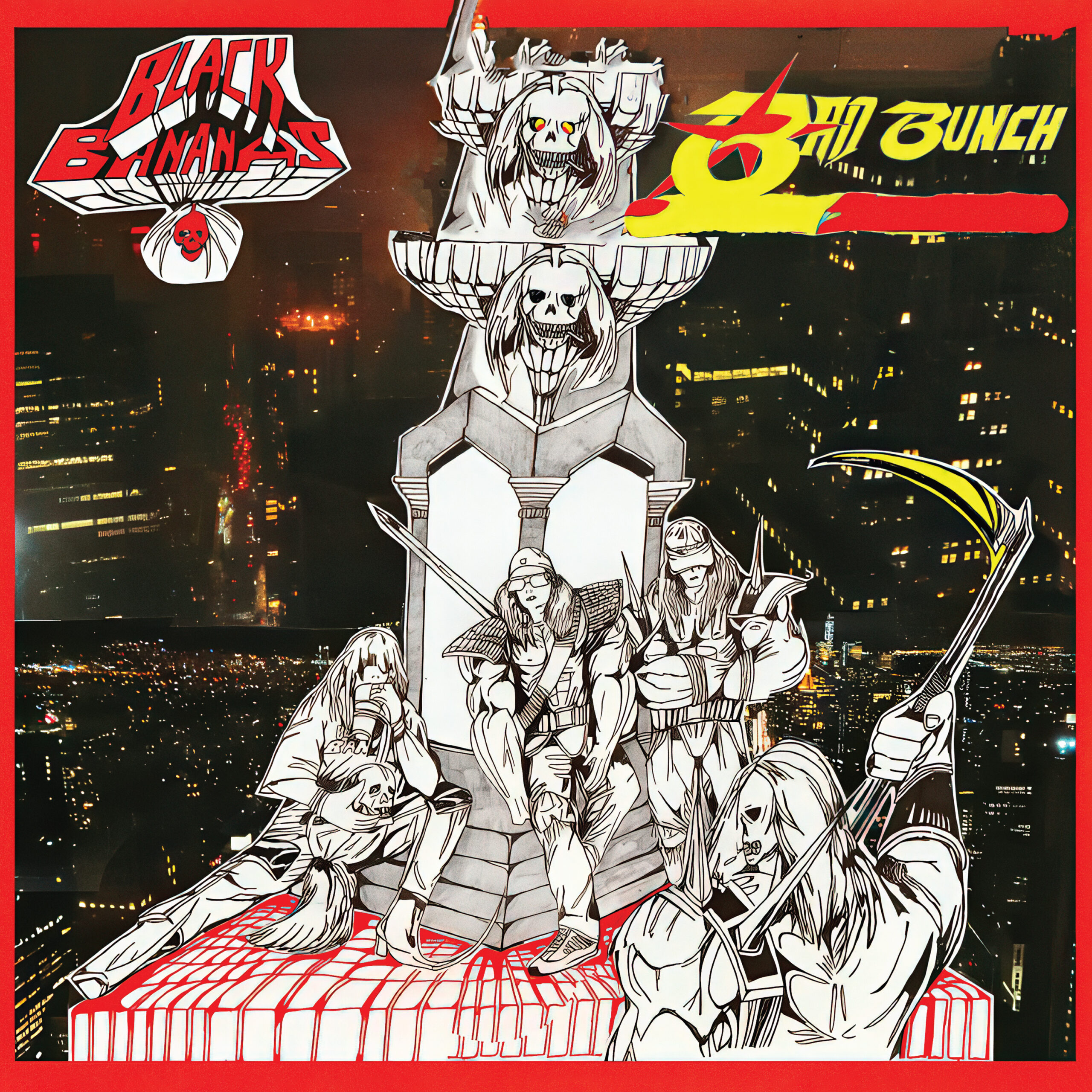
Black Bananas – Bad Bunch
Select options This product has multiple variants. The options may be chosen on the product page Bad Bunch Black Bananas Price range: £12.00 through £32.00 Album - 4th September 2026